Tooth Extractions in Brunswick
No one plans on needing a tooth removed. It’s usually something we consider only when a tooth cannot be restored or is causing ongoing problems.
At Brunswick Road Dental, we approach extractions with care, clarity, and respect for your comfort. We will always explore whether a tooth can be preserved first, and if removal is recommended, we’ll guide you through each step so you feel prepared and supported.
If you’re dealing with tooth pain or have been told you may need an extraction, book an assessment, and we will take the time to review your situation properly.
Why Tooth Extractions Are Performed
Extraction may be recommended for:
- Severe decay that cannot be restored
- A broken or fractured tooth
- An infection that has not improved with other care
- Advanced gum disease
- Impacted teeth, including wisdom teeth
- Creating space for orthodontic treatment
- Baby teeth that have not fallen out naturally
If a tooth can be repaired with a filling, crown, or root canal, we will discuss those options first.
Types of Tooth Extractions
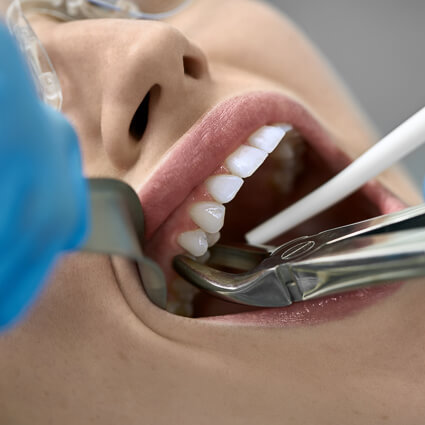
A simple extraction is performed on a tooth visible above the gum and can be removed straightforwardly.
A surgical extraction may be needed if a tooth has broken at the gumline, has complex roots, or sits below the gum. This may involve a small incision and sometimes stitches to support healing.
If multiple teeth require removal, we will assess whether this can be completed in one visit based on your oral health and comfort.
What to Expect
Your visit begins with an examination and digital X-rays to understand the tooth and surrounding structures. We will explain your options clearly before proceeding.
Local anaesthetic is used to numb the area. You shouldn’t feel sharp pain during the extraction, although pressure is normal. Once the tooth is loosened and removed, the area is cleaned, and gauze is placed to support clotting. Stitches are used when required.
Most extractions are completed quickly, although timing depends on complexity.
Aftercare and Recovery
You will receive written instructions covering eating, cleaning, and activity guidelines. For the first 24 to 48 hours, avoid smoking, alcohol, straws, and very hot foods or drinks. Soft foods are usually recommended at first.
Mild swelling, tenderness, and minor bleeding are common in the early stages of healing. Many people feel more comfortable within a few days, although recovery varies. Contact us if you have any concerns during the healing process.
Risks and Considerations
All dental procedures carry risks. Common short-term effects include swelling, bleeding, and discomfort. Dry socket can occur in some cases and may increase discomfort after the first few days.
Less common complications include infection, delayed healing, or temporary changes in sensation if nerves are close to the tooth. We reduce risks through careful assessment, imaging, and clear aftercare instructions. Relevant risks will be discussed with you before proceeding.
Frequently Asked Questions
Is a tooth extraction painful?
Can I eat after an extraction?
How much does a tooth extraction cost?
Ready to Address That Problem Tooth?
Whether you’re experiencing discomfort or simply unsure about your next step, we are here to help you make a well-informed decision. Book an appointment and let’s work out the best path forward for your smile.
Any invasive or surgical procedure may carry risks. Before moving forward, it is recommended that you seek a second opinion from an appropriately licensed medical professional.
