TMJ & TMD Care in Brunswick
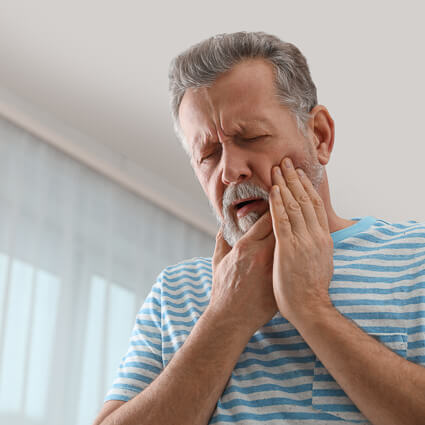 Jaw pain, clicking, or trouble opening your mouth fully? More people deal with this than you’d guess, and it’s not something you need to just live with. At Brunswick Road Dental, we’ll help you figure out what’s going on and where to go from there.
What Is the TMJ?
The temporomandibular joint, or TMJ, connects your lower jaw to your skull. It’s what lets you chew, talk, yawn, all the things you don’t think about until they hurt. When that joint or the surrounding muscles aren’t working smoothly, that’s TMD, short for temporomandibular disorder.
Common Signs of TMD
- Pain or tenderness around the jaw
- Clicking, popping or grating when you chew
- Trouble opening your mouth wide
- Headaches
- Ear fullness or pain
- The joint locking or getting stuck
What Causes TMD?
A few things may be behind it. Clenching or grinding your teeth. Stress. An uneven bite. An injury to the joint, or arthritis in more persistent cases. Often it’s not one thing but a mix.
How We Assess and Care for TMD at Brunswick Road Dental
We’ll start by talking through your history and symptoms, then take a hands-on look at your bite and how the joint is moving. From there, we usually try a conservative approach first: maybe a splint, some small bite adjustments, advice on habits that could be contributing. If your case turns out to be more complex or persistent, we’ll refer you to an appropriate practitioner where needed. We aim to ensure you receive care that is appropriate for your individual circumstances, rather than taking a one-size-fits-all approach.
When to See a Dentist About Jaw Pain
An occasional click or twinge usually isn’t a big deal. But if pain, clicking, or stiffness keeps showing up, gets worse, or makes it hard to eat or talk comfortably, it’s worth getting looked at.
Frequently Asked Questions
What’s the Difference Between TMJ and TMD?
Can Stress Really Cause Jaw Pain?
Is Clicking Always Something to Worry About?
Will I Need a Splint, or Are There Other Options?
Do I Need a Referral to See Someone About This?
Ready to Talk About Your Jaw Pain?
Book a consultation with Brunswick Road Dental, and we’ll help you work out what’s going on. Call (03) 9388 1580 or book online today.
